


Making Civic Engagement Efforts Work
New experiments with civic engagement, outreach, and philanthropic models in Philadelphia offer inspiration for leaders across the social sector.

New experiments with civic engagement, outreach, and philanthropic models in Philadelphia offer inspiration for leaders across the social sector.

Four leaders discuss the racial and gender stereotypes that stymie black women and offer advice on how to create more inclusive work environments.
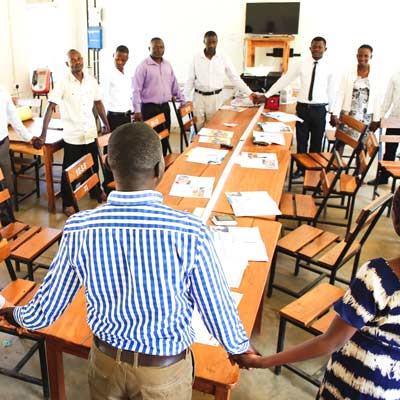
Three guiding principles for NGOs looking to find where they best fit within government-run systems and ensure long-term impact.

By wielding their deep experience in distressed local communities and using four methods for channeling investment into marginalized regions, foundations can play a deciding role in the success of the Opportunity Zone federal tax incentive.

As donor-advised funds increase in popularity, the people who use them are poised to advance the practice of listening to the organizations and individuals they are trying to help. Part of a series produced for SSIR with the support of the Hewlett Foundation.
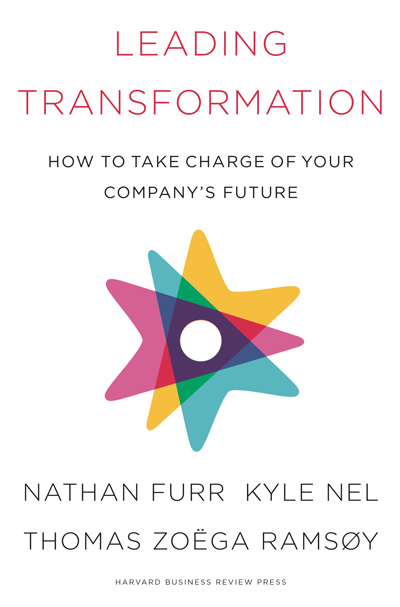
An excerpt from Leading Transformation on the "Behavioral Innovation Manifesto."

The European Commission’s new plan for sustainable finance makes important strides toward connecting the financial industry with social and environmental goals, but social innovators should weigh in.
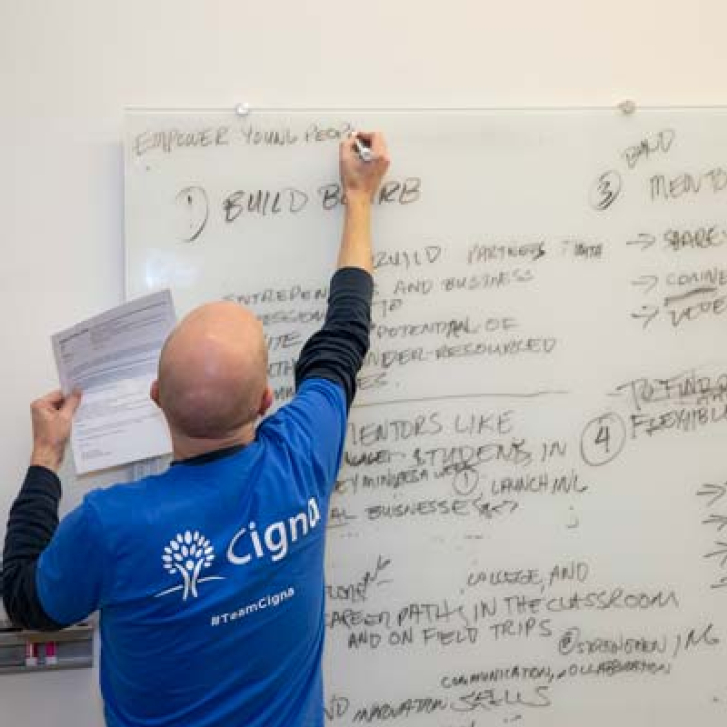
Three models for day of service programs, sometimes referred to as hackathons or flash consulting, can deliver community and business impact, while increasing employee engagement and requiring less initial commitment.

We must take proactive and preventive steps to restore trust across government, business, and civic institutions, or societies around the world may be at greater risk of chaos and conflict.
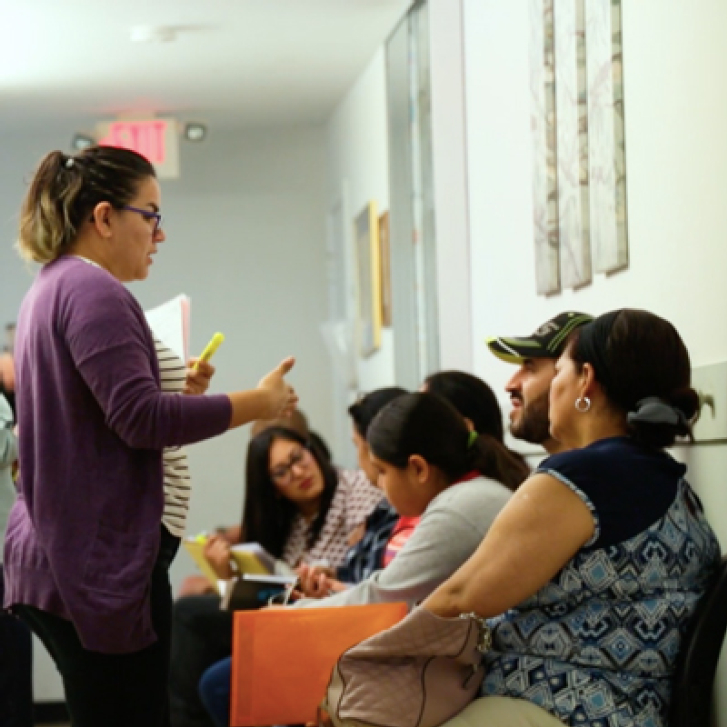
When Paula John visited Epiphany Community Health Outreach Services for help with her arthritis, she encountered long wait times and unfriendly staff. Her feedback led to changes that transformed her opinion of the organization. Part of a series produced for SSIR with the support of the Hewlett Foundation.